

Alzheimer's Care at Home
Alzheimer's moves at its own pace. Care that fit last year rarely fits this year, so we plan for the change rather than reacting to it.
Care that changes as the disease does
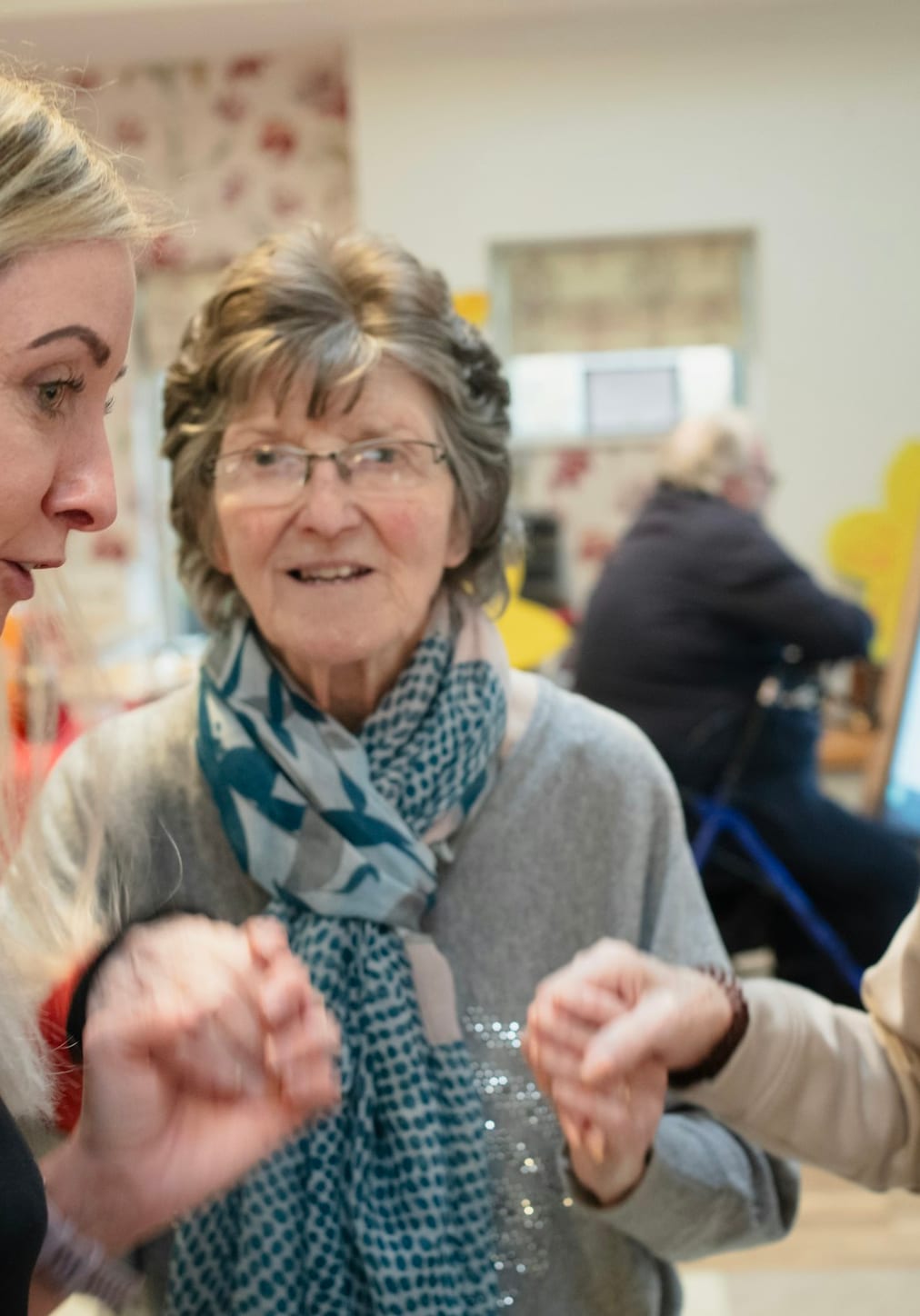
Early on, support is often light: supervision, medication reminders, and company through the parts of the day that feel hardest. Someone is present, and the day has a shape.
As things progress, that grows into hands-on help with bathing, dressing, eating, and moving safely — delivered, wherever we can manage it, by a caregiver your loved one already knows and trusts.
In the later stages the priority becomes comfort, calm, and dignity: careful personal care, help with feeding, close attention to skin and positioning, and a quiet, predictable environment.
Why caregiver continuity matters so much here
A familiar face lowers anxiety in a way that no technique can substitute for. Someone who has been visiting for months knows which words settle your loved one, which time of day is hardest, and what a bad afternoon looks like before it becomes one.
We schedule for continuity deliberately, and we treat a change of caregiver as something to be managed and introduced rather than something that just happens.
Reassessed on a schedule, not after an incident
We sit down with your family at regular intervals to review how the plan is holding up — not only when something has already gone wrong. The goal is that support increases a little ahead of need, so a fall or a hospital admission is not what forces the conversation.
Support for the family too
Alzheimer's is exhausting for the people around it, and the exhaustion is cumulative. Many families combine ongoing care with scheduled respite so the primary caregiver actually rests — before burnout makes the decision for them.
Request a Free Care Assessment